Introduction
Upon receiving a check, endorsing it on the reverse side is often required before you can deposit or cash it. This endorsement is essential for the secure conversion of a check into cash or a bank deposit. Here, we provide a comprehensive guide to understanding the process of endorsing checks.
The Significance of Check Endorsement
The act of endorsing a check by signing it on the back validates the transaction. The type of endorsement may vary based on how you intend to use the funds. This practice is crucial for settling transactions with banks, third parties, and for personal use. Despite the rise of digital payments, paper checks continue to be prevalent for substantial financial transactions such as rent or large transfers.
Endorsement Process
There are various methods to endorse a check, contingent upon your plans for the funds and the check's stipulations. Here’s a detailed breakdown of the steps involved:
Check Verification: It’s imperative to verify that all details on the check are correct. The payee's name should align with the endorsement name. If there’s a discrepancy, endorse with both names, then sign correctly. Also, confirm the date, amount, and signature for record-keeping.
Determine Signatories: For checks made payable to multiple individuals, look for "and" or "or" in the payee line. If "and" is present, all parties must sign. If "or" is indicated, any one party can sign. This is typical for joint checks like wedding gifts.
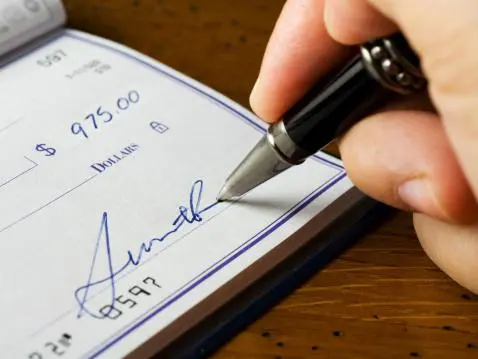
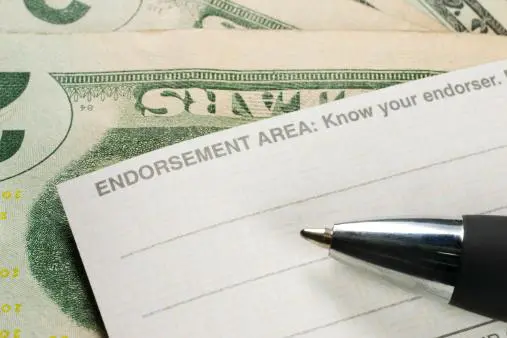
Endorsement Signature: The back of the check usually features a line or box labeled "Endorse Here." Refrain from writing below this line, as it is the designated endorsement zone, typically 1.5 inches long and as wide as the check.
Check Endorsement Responsibility:
There can be confusion about where to sign on a check. The drawer signs on the front, but may also include instructions on the back, such as "Hold for deposit until [date]." As the recipient, you must sign the back to deposit or cash the check. You can specify how the check should be used, like "For deposit only" with your account number, preventing others from cashing it if misplaced.
Necessity of Endorsement:
While some banks may accept checks without a signature, it’s recommended to endorse. An unsigned check could be returned, leading to delays and potential costs. Even if initially accepted, unsigned checks may be rejected later.
Personal checks might be exempt from this rule, but corporate or larger checks typically require a signature.
Mobile Deposit Considerations:
Mobile check deposits follow the same rules. Some banks may request you write "For mobile deposit" on the check. Adhering to your bank’s instructions is key to avoiding delays.
Numbers on Check Back:
Apart from the standard routing and account numbers on the front, reference numbers often appear on the back to aid in tracking. These numbers, pre-printed in the endorsement area, are especially useful for businesses printing checks. Banks may also add their own details during the check’s redemption or deposit.
Endorsement Necessity:
Some banks may accept checks without an endorsement, possibly with restrictions on the amount or longer hold times. Identity verification is required when depositing such checks.
Understanding Check Endorsement:
When paid by check, it’s akin to receiving cash but with extra steps. You can cash the check at the bank of issuance or deposit it into your account. Endorsing authorizes the bank to process the check, confirming your identity and ensuring the funds are rightfully yours.
Final Thoughts
Check endorsement is a simple yet critical process that