Overview
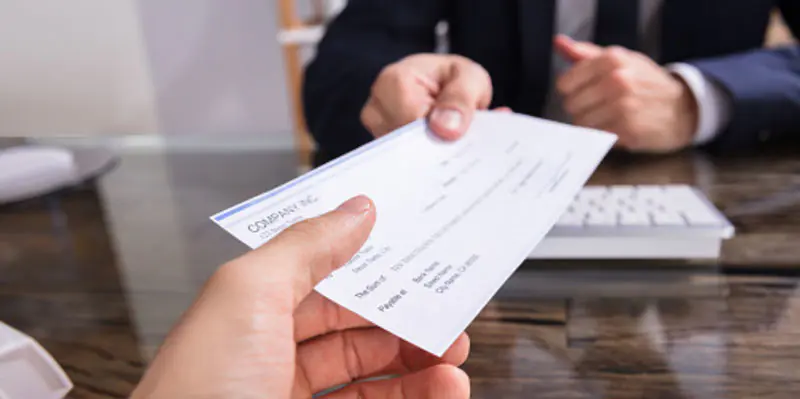
When you receive a check and need to deposit it, you typically have to endorse it by signing the back. This endorsement process is crucial for converting the check into cash or depositing it into your bank account securely. Here’s a detailed guide to understanding the back of a check and the endorsement process.
The Importance of Endorsing a Check
Endorsing a check involves signing the reverse side to validate the transaction. Depending on what you plan to do with the funds, the endorsement might differ slightly. Endorsing a check is necessary to settle amounts with your bank, a third party, and yourself. Despite the prevalence of digital transactions, paper checks remain common for significant financial dealings such as rent payments or large cash transfers.

Steps for Endorsing a Check
Endorsing a check can be done in several ways, depending on your intentions for the funds and the requirements of the check. Here’s a step-by-step breakdown:
Verify Check Information: Ensure all information on the check is accurate. The payee's name on the check should match the name on the endorsement. If the name is misspelled, endorse the check with both spellings before signing correctly. Confirm the date, amount, and signature for future reference.
Identify Who Should Sign: If a check is payable to multiple people, look for the words "and" or "or" in the payee line. If it says "and," both parties must sign. If it says "or," either party can sign. This is common in joint checks, such as those given as wedding gifts.
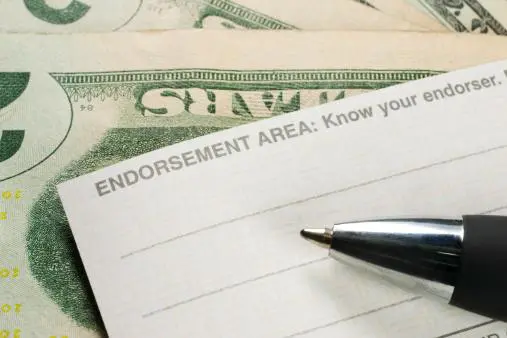
Sign or Endorse the Back: The back of the check typically has a line or box labeled "Endorse Here." Avoid writing below this line, as this is the designated endorsement area, usually about 1.5 inches long and spanning the check's width.
Who Needs to Endorse the Check?
There is often confusion about where to sign a check. The issuer signs the front, on the signature line. However, they can also write instructions on the back, such as "Hold for deposit until [date]." If you receive a check, you must sign the back to deposit or cash it. You can add instructions to restrict how the check can be used, such as "For deposit only" along with your account number. This prevents others from cashing it if it gets lost.
Is Endorsing the Check Always Necessary?
In many instances, you can deposit a check without signing it, though it is advisable to sign. An unsigned check might be returned to the issuer, causing delays and potentially costing you money. Even if your bank accepts an unsigned check initially, it might be denied later.
Personal checks might bypass this requirement more easily, but corporate or large checks generally need a signature.
Mobile Check Deposits
The same rules apply for mobile deposits. Some banks may ask you to write "For mobile deposit" on the check. It’s best to follow your bank's instructions to avoid delays.
Numbers on the Back of a Check
Besides the familiar routing and account numbers on the front, reference numbers often appear on the back to help track the check. These numbers, pre-printed in the endorsement area, are particularly useful for companies printing checks from blank stock. Banks also add their details during the redemption or deposit process.
Do You Always Need to Sign?
Some banks might accept a check without an endorsement, possibly with limits on the amount or longer hold times. You will need to prove your identity when depositing the check.
What Does Endorsing the Back of a Check Mean?
When someone pays you with a check, it’s similar to receiving cash, but with additional steps. You can cash the check at the issuing bank or deposit it into your account. Endorsing the check authorizes the bank to process it in your name, confirming your identity and ensuring you’re the rightful recipient of the funds.
Conclusion
Endorsing checks is a straightforward yet vital process that enhances financial security. Understanding how to endorse a check correctly is a fundamental aspect of financial literacy. Different types of endorsements may be required, but most involve signing the back to prove ownership of the funds.
FAQs
What does it mean to endorse a check? Endorsing a check means signing the back of it. This allows the bank to verify your identity and ensures the check is deposited into the correct account.
What should be included on the back of a check before depositing it? Sign the back of the check and write "For deposit only" to ensure it can’t be cashed by someone else.
Where is the endorsement stamp placed on the back of the check? Instead of a handwritten signature, you can use a stamp in the endorsement area. The stamp should include your name, bank, account information, and any specific instructions like "For deposit only."